2026 August
-1
archive,date,wp-theme-bridge,theme-bridge,bridge-core-3.3.4.6,qi-blocks-1.5.2,qodef-gutenberg--no-touch,woocommerce-no-js,wcz-woocommerce,qodef-back-to-top--enabled,,qode-essential-addons-1.6.7,qode-quick-view-for-woocommerce-1.1.2,qqvfw--no-touch,qode-wishlist-for-woocommerce-1.2.8,qwfw--no-touch,qode-page-transition-enabled,ajax_fade,page_not_loaded,qode-title-hidden,qode_grid_1200,qode-smooth-scroll-enabled,columns-4,qode-theme-ver-30.8.8.6,qode-theme-bridge,qode_header_in_grid,qode-product-gallery-slider-on-mobile,wpb-js-composer js-comp-ver-8.7.3,vc_responsive

Every bottle has a story long before the cork is pulled.

For us, that story begins among the vines at Renishaw Hall before continuing here at the English Wine Project winery, where the character of each harvest gradually becomes the wine in your glass.

It starts with the fruit

Good winemaking begins in the vineyard.

When harvest arrives, the grapes are picked with their condition, ripeness and intended wine in mind. Once they reach the winery, the real transformation begins.

The fruit is carefully processed before fermentation, when naturally occurring sugars in the grape juice are converted into alcohol. From here, there are countless small decisions to be made — each one helping to shape the finished wine.

A light touch

Our approach is about allowing the fruit and the vintage to express themselves.

Different varieties, vineyards and growing seasons all bring something different to the winery. Rather than forcing every wine towards the same style, we want those differences to remain part of the finished bottle.

It’s one of the things that makes English wine so interesting. Every vintage is a snapshot of a particular place, season and set of conditions.

And when you finally open the bottle, you’re tasting a little of that story too.
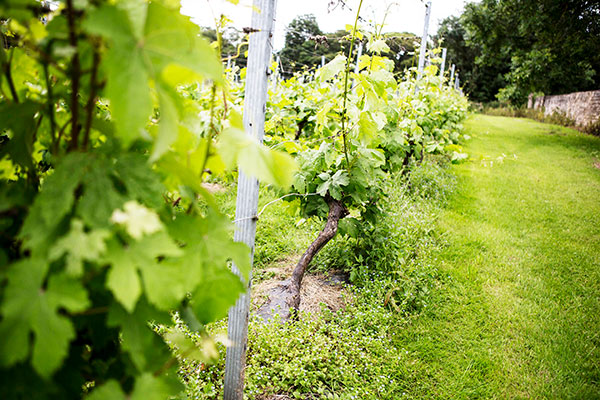
There’s something quietly exciting about the beginning of a new growing season. After the stillness of winter, the vineyard begins to wake — and with it comes the promise of another English vintage.

At Renishaw Hall, the changing seasons shape almost everything we do. As the days lengthen and temperatures begin to rise, attention turns to the vines and the first signs of new growth.

Spring is a particularly important time in the vineyard. Buds begin to break, shoots emerge and the foundations of the year’s harvest slowly take shape.

It’s also a time when careful work in the vineyard can make a significant difference later in the season. Each vine needs attention, with decisions made according to its growth, position and the conditions around it.

There is no rushing the process. Growing grapes in England has always meant working closely with the weather rather than trying to work around it.

Looking towards harvest

Of course, there’s a long way to go before these young shoots become ripe grapes.

Between now and harvest will come long summer days, plenty of vineyard work and, inevitably, more than a few anxious glances at the forecast.

That’s all part of it.

For now, we’re simply enjoying seeing the vineyard green again — and looking forward to discovering what this year’s growing season will bring.

English wine has changed considerably over the past few decades.

What was once considered an unlikely place to grow grapes has developed into one of the most exciting emerging wine regions — with vineyards and wineries across the country producing bottles that are attracting attention both at home and further afield.

More than sparkling

English sparkling wine has deservedly earned an international reputation, but that’s only part of the story.

Still wines are becoming increasingly interesting too. From crisp, aromatic whites to rosés and lighter reds, winemakers are exploring which grape varieties and styles work particularly well with our climate.

It’s creating an English wine scene with a character all of its own.

Wine with a sense of place

Perhaps the most exciting part is the diversity.

English wine isn’t produced in one small corner of the country. Different soils, landscapes and microclimates mean vineyards can produce remarkably different wines — even when working with similar grape varieties.

Here in Derbyshire, we’re proud to be part of that story.

English wine is still relatively young compared with many of the world’s established wine regions. And that’s precisely what makes it such an interesting time to be making, drinking and discovering it.

There’s plenty more to come.